

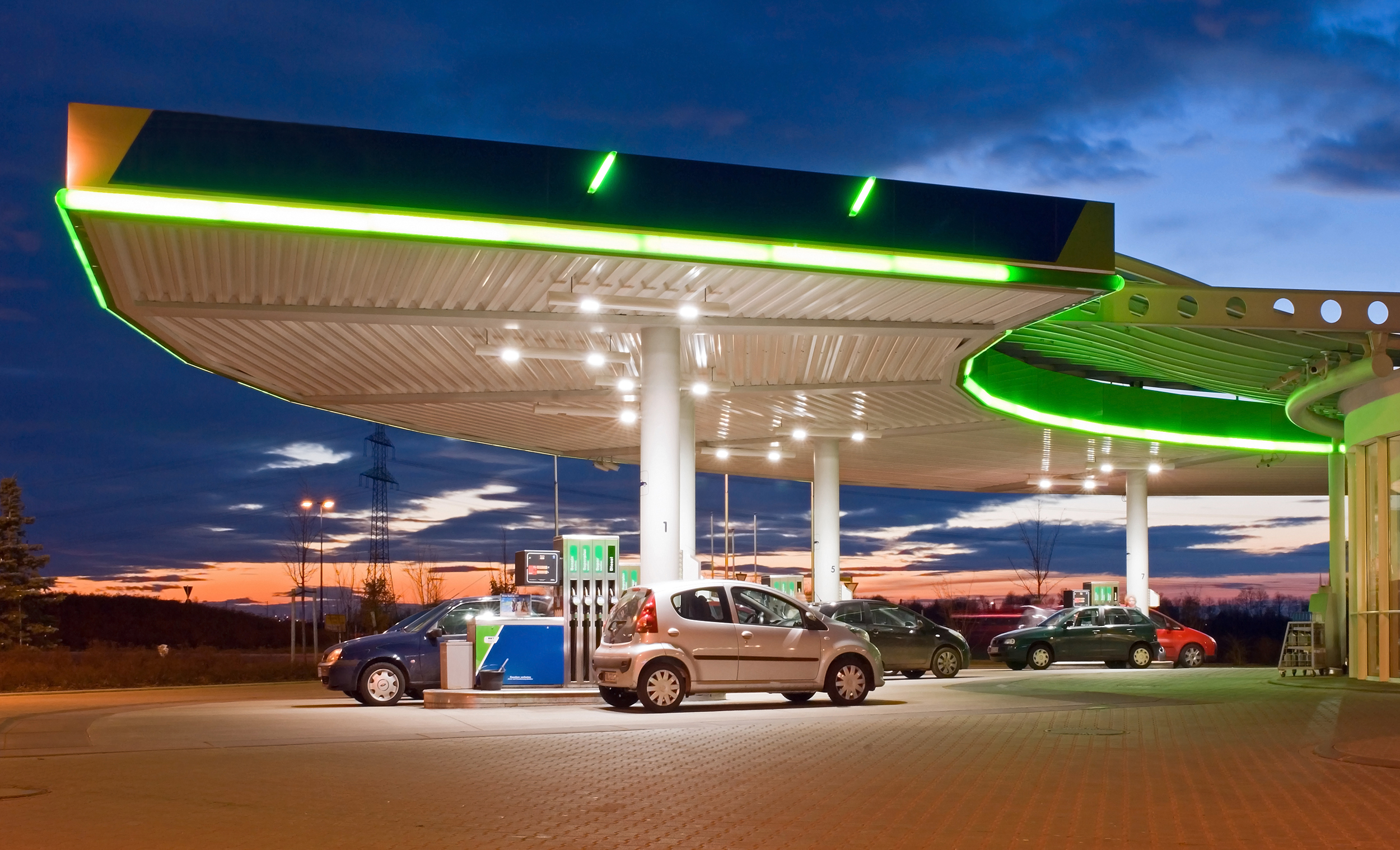
It is hard to find evidence that, in general, fuel retailers are profiteering to take advantage of the war in Iran.
Whilst the Chancellor has warned fuel forecourt operators not to ‘price gouge’ by excessively hiking pump prices, the RAC Foundation argues that the actions of the majority of fuel retailers are controlled by a host of factors, not just the underlying wholesale price of fuel, and these limits their opportunities to push petrol and diesel prices too high.
Steve Gooding, director of the RAC Foundation, said:
“As pump prices surge it is natural to challenge retailers to justify their actions, but what emerges is complicated picture.
“Increasing wholesale prices inevitably feed through to the forecourt but usually do so at a lag, because not all petrol stations restock on a daily basis – often it can be days or weeks between deliveries – plus retailers need to avoid pricing themselves out of a market where there’s precious little customer brand loyalty and local competition can be stiff.
“It is worth remembering that half of what we pay at the pumps is headed straight for the Chancellor’s coffers in the form of tax, but that is something of an academic distinction to the tens of millions of drivers who need their vehicles and are stuck with refuelling at almost any price.”
The University of Warwick has recently published analysis of the impact of rising oil and wholesale petrol and diesel prices on what motorists are being made to fork out on the forecourt.
Dr Nikhil Datta, co-author of the report alongside Johannes Brinkmann, said:
“Public concern tends to focus on price rises but in fact excess profits are more likely to be seen when prices start to fall.
“In a well-functioning market prices would rise and fall symmetrically. What we actually see in the data is a quick rise, which draws the attention of politicians and consumer champions – but during this period, while wholesale fuel prices track crude oil increases almost immediately, retail pump prices rise more slowly and by a smaller amount, causing margins to compress, not expand.
“Profit margins expand after the crisis has passed when prices start to slowly drift back down.”
The RAC Foundation tracks both pump prices and wholesale prices.
In response to talk by ministers of retailer profiteering Gordon Balmer, executive director of the Petrol Retailers Association, is quoted as saying there have been instances of “retail staff being abused by members of the public, who may have been provoked by the incorrect and inflammatory language.
“Profiteering and price gouging are quite strong words. Our members rely on repeat business… and many of those smaller sites and family run businesses are in areas where they serve the local community.
“For someone to come out and call them ‘profiteers’ could compromise health and safety – the people who are going to get the complaints are those in the site, working and trying to help motorists. Before people use strong words like that, they need to have evidence.”
ENDS
Contacts:
Philip Gomm – Head of External Communications – RAC Foundation
[email protected] | 07711 776448
Notes to editors:
The RAC Foundation is a transport policy and research organisation which explores the economic, mobility, safety and environmental issues relating to roads and their users.
It is a registered charity. Charity number: 1002705.
The Foundation publishes independent and authoritative research with which it promotes informed debate and advocates policy in the interest of the responsible motorist. For more information visit www.racfoundation.org