
Measures to start on 1 October 2026
Learner drivers in Northern Ireland will be subject to a new system of graduated driver licensing from the start of October, it has been announced.
The measures are described by Infrastructure Minister Liz Kimmins as “the most significant reform to driver licensing and testing in almost 70 years.”
The proposals include:
- A mandatory minimum learning period of six months before a learner driver can undertake their practical driving test
- A programme of training that details the learning required to become a safe driver, and which must be completed and recorded in a logbook before a learner driver can undertake their practical driving test
- An increase in the restriction period from the current 12 months to 24 months requiring new drivers to display a distinguishing mark (plate) on the vehicle for two years after receiving a full licence
- A period of six months with nighttime driving restrictions for new drivers under 24
- Age related nighttime passenger restrictions for newly qualified drivers, with exemption for immediate family members.
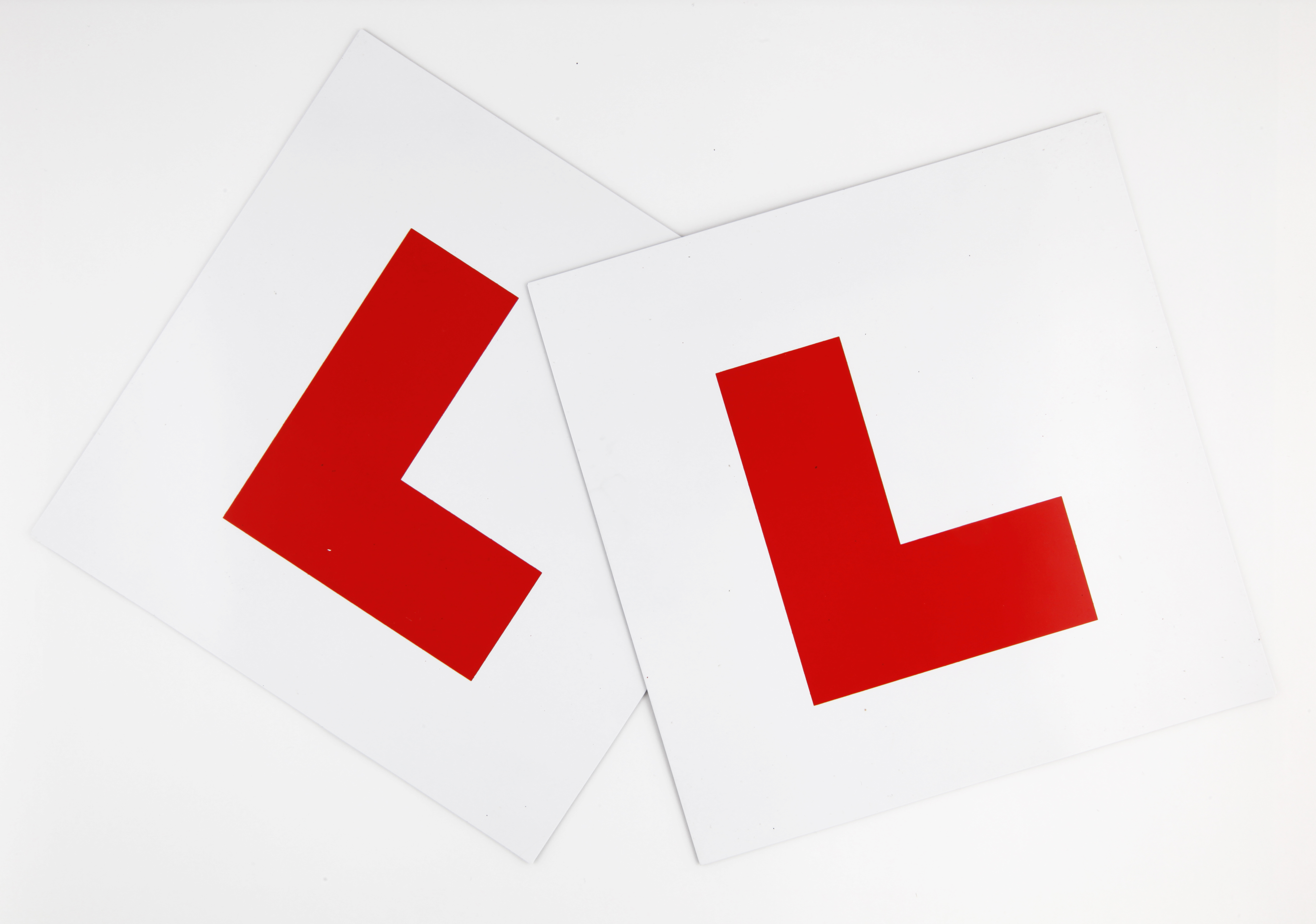
- GDL permits ‘L’ drivers to drive on a motorway as long as they are accompanied by an Approved Driving Instructor. Once the learner passes their test, they will be issued with the new ‘R’ plate which also allows them to drive on a motorway, where they can drive up to the posted speed limit.
In Northern Ireland in 2024 “there were 164 casualties (killed or seriously injured) from collisions where a car driver aged 17-23 was responsible. This age group of drivers account for 24% of fatal or serious collisions despite holding just 8% of licences.”
Steve Gooding, director of the RAC Foundation, said:
“The new rules have been hotly debated locally and could serve as a useful pathfinder for the rest of the United Kingdom. There are many choices on the Graduated Driver Licensing menu and we will be watching closely to see how well those forming part of the Northern Ireland package deliver the desired outcome.
“Graduated licensing isn’t about limiting freedoms, it is about ensuring them for the long term by keeping young drivers as safe as possible in those critical few months before and after they pass their test.
“What happens in Northern Ireland will be closely watched in Westminster, where the recently launched road safety strategy includes a consultation on requiring a minimum learning period, which is part of the Northern Irish model.”
The RAC Foundation is supporting of graduated driver licensing and has previously proposed how such a scheme might look.
Earlier this month the Westminster government published its road safety strategy. Amongst the proposals are a three or six-month minimum learning period for learner drivers which will be consulted on.
ENDS
Contact:
Philip Gomm – Head of External Communications – RAC Foundation
[email protected] | 07711 776448
Notes to editors:
The RAC Foundation is a transport policy and research organisation which explores the economic, mobility, safety and environmental issues relating to roads and their users.
The Foundation publishes independent and authoritative research with which it promotes informed debate and advocates policy in the interest of the responsible motorist. For more information visit www.racfoundation.org