

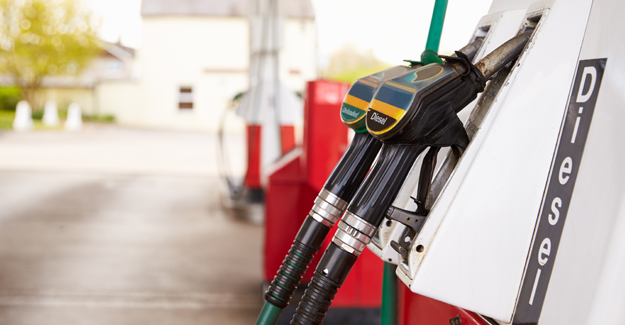
Bill has already reached £307 million with more to come
Drivers in the UK have already paid an additional £307 million for petrol and diesel since America and Israel went to war with Iran compared with what they would have paid had pump prices remained where they were before the conflict started on Saturday 28 February.
On Friday 27 February, the day before hostilities began, the price of a barrel of Brent crude oil was roughly $72 while pump prices in the UK averaged 132.9p per litre for petrol and 142.4p per litre for diesel.
Since then, the price of oil has spiked as high as $120 per barrel and is currently around $100. Pump prices have increased to 146.4p for petrol and 169.8p for diesel (as of Monday 23 March).
Using daily pump prices, and an estimate of average daily fuel consumption rate based on the total amount of fuel consumption in 2025, the RAC Foundation estimates that drivers of the nation’s 19 million petrol cars, 10.3 million diesel cars and five million vans (the vast majority of which run on diesel) – not to mention other commercial vehicles and motorcycles – have spent in the region of £4.574 billion on the forecourts since 28 February.
This compares with the roughly £4.267 billion that they would have paid if prices had remained broadly the same as they were back on 27 February.
The difference of £307 million is the direct cost to UK drivers of the war and is expected to rise further as current barrel prices for oil feed through to the price of petrol and diesel at the pumps.
Steve Gooding, director of the RAC Foundation, said:
“This puts a financial price on the war not just for UK drivers but also the nation’s businesses. Whether you are running a household or a company, fuel prices make up a significant part of the budget. Even those who don’t drive will be impacted by higher transport costs as firms pass on their additional costs to their customers. All of which is adding to the cost-of-living crisis.
“Fuel consumption is notoriously inelastic, to use economics jargon, which means that – certainly in the short term – people have little option to change the way they live and so they are stuck with footing the refueling bill despite the increase in cost.
“We will continue to track the additional cost to drivers of this war. Even if the conflict was resolved tomorrow the pain at the pumps will be felt for weeks to come, or longer, due to the time lag between changes in the barrel price of oil and what fuel costs at the pumps, and the time it will take to repair the war damage to oil production, refining and distribution.”
The HMRC reports both the amount of fuel duty revenue it receives and how it is broken down between petrol and diesel. In 2025, a combined total of 46.8 billion litres of petrol and diesel which attracted fuel duty were sold in the UK, an average of 128 million litres per day.
Fuel duty currently stands at 52.95p per litre of both petrol and diesel. It is currently due to rise by 1p per litre on 1 September 2026. VAT is levied on the overall product price including the fuel duty element.
The Treasury currently receives roughly half of what people pay on the forecourt.
ENDS
Contacts:
Philip Gomm – Head of External Communications – RAC Foundation
[email protected] | 07711 776448
Notes to editors:
The RAC Foundation is a transport policy and research organisation which explores the economic, mobility, safety and environmental issues relating to roads and their users.
The Foundation publishes independent and authoritative research with which it promotes informed debate and advocates policy in the interest of the responsible motorist. For more information visit www.racfoundation.org