
Public awareness, attitudes and expectations
As many as almost one in five drivers (18%) regard driver monitoring systems – the technology by which the car monitors the person behind the wheel, for example to spot drowsiness – as completely unacceptable depending on the type of scenario the technology was being used in, new research has shown.
When it comes to buying a car almost a third (31%) of drivers, again depending on the scenario, say it is extremely unlikely they will choose a vehicle that includes driver monitoring systems.
Technology that alerts the driver to adverse environmental conditions – low temperatures and the risk of ice on the road, windscreen wipers triggered automatically by raindrops – and helps the person to pilot the car – ABS braking, parking sensors, automatic lane keeping – have now been around for years if not decades.
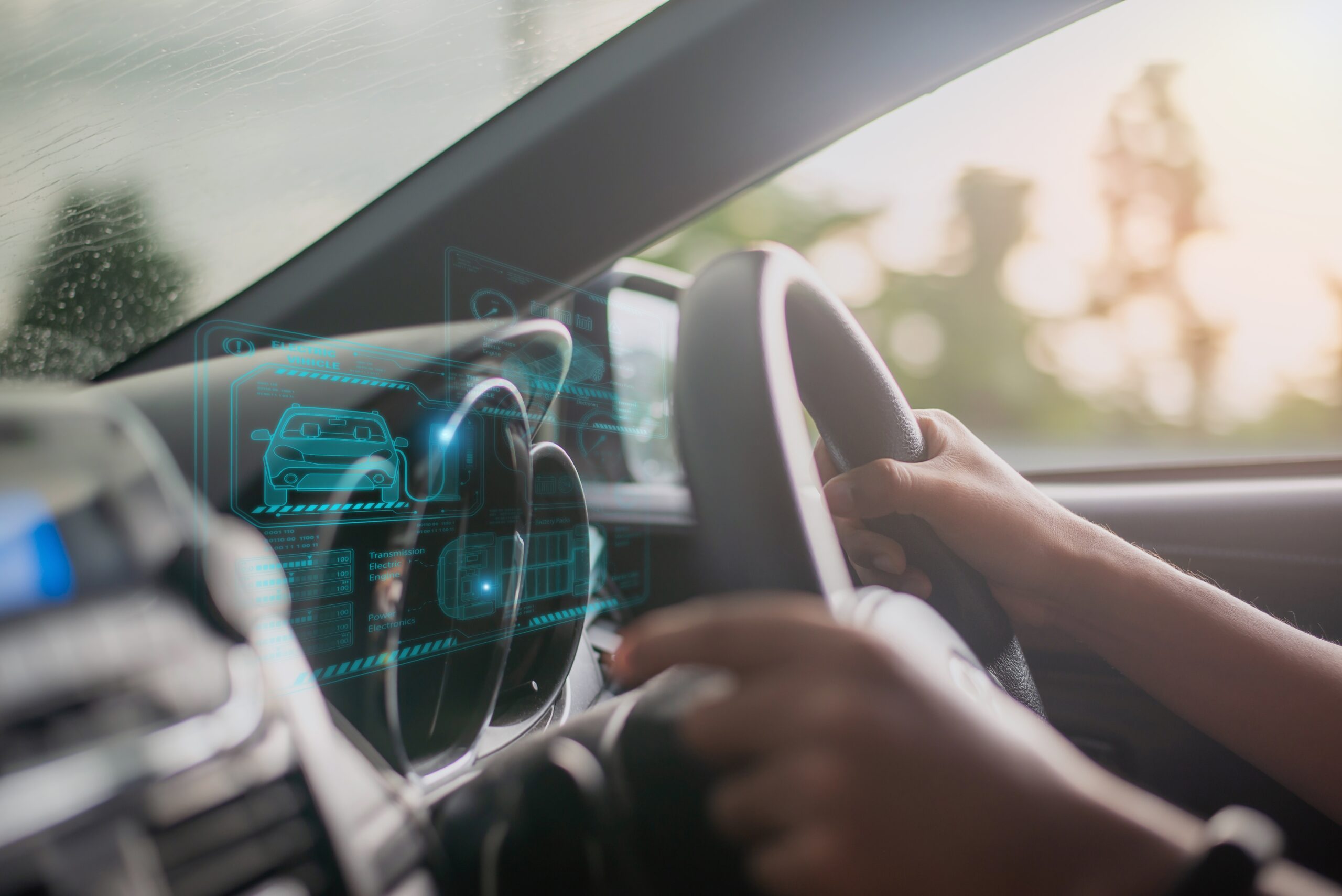
However, in-car technology is increasingly being used to monitor the driver themselves and use sensors, cameras and algorithms to detect things such as fatigue, distraction and impairment in the person behind the wheel.
As part of a study for the RAC Foundation carried out by a team at the University of Nottingham, researchers surveyed 477 UK drivers and asked them about 62 different driving scenarios where driver monitoring systems could be used.
The 62 scenarios, each of which were given acceptability ratings by the survey participants, fell into six broad categories:
- Driver fatigue – overall, 12% said such systems were completely unacceptable whilst 18.4% said they were completely acceptable
- Driver distraction – 18% and 15%
- Driving performance – 12% and 13%
- Fitness to drive – 16% and 19%
- Driver intoxication – 12% and 41%
- Data surveillance and sharing – 15% and 13%
The authors of the report conclude:
“Overall, the research suggests that drivers may be more accepting of monitoring technologies than is sometimes assumed.
“While a minority expressed strong opposition to all forms of monitoring, many participants viewed driver monitoring systems positively when systems were clearly linked to improving safety and supporting the driver rather than controlling them.
“Concerns emerged when monitoring appeared intrusive, disproportionate or unclear in its purpose, with issues of privacy, trust and autonomy becoming particularly important.”
Dr Catherine Harvey, assistant professor in the Faculty of Engineering at the University of Nottingham said:
“Driver monitoring is likely to be most successful when drivers see it as a safety partner rather than a surveillance system. Our research shows that people are more accepting of monitoring when its purpose is clear, proportionate and focused on immediate safety risks such as fatigue and intoxication. The challenge for vehicle manufacturers is to develop systems that support drivers and improve safety while respecting their autonomy, privacy and trust.”